ZYNYZ is an FDA-approved treatment studied in combination with chemotherapy for people with squamous cell carcinoma of the anal canal (SCAC)
In the POD1UM-303 trial, ZYNYZ was studied in 308 people with SCAC. ZYNYZ was given in combination with the chemotherapy medicines carboplatin and paclitaxel to people whose cancer had returned and could not be removed by surgery or had spread.
- People could not take part in the trial if their immune system function was changed by medicines they were receiving (called immunosuppressants) or by an active autoimmune disease
- People who were HIV-positive could take part in the trial if they had an undetectable viral load, an appropriate CD4+ count, and were receiving appropriate treatment
About the POD1UM-303 clinical trial
There were 2 groups of people included in the trial. Group 1 received ZYNYZ, while Group 2 received a treatment with no active ingredient, called a placebo. Both groups received the chemotherapy medicines carboplatin and paclitaxel.
Group 1
154 PEOPLE RECEIVED ZYNYZ + CHEMOTHERAPY


Group 2
154 PEOPLE RECEIVED PLACEBO + CHEMOTHERAPY


People in Group 2 could switch to Group 1 if their SCAC got worse.

People in the trial stayed on chemotherapy for up to 6 months. Patients stayed on ZYNYZ for up to 12 months, or until it stopped working or they experienced serious side effects
ZYNYZ + chemotherapy gave people with SCAC a chance for more time
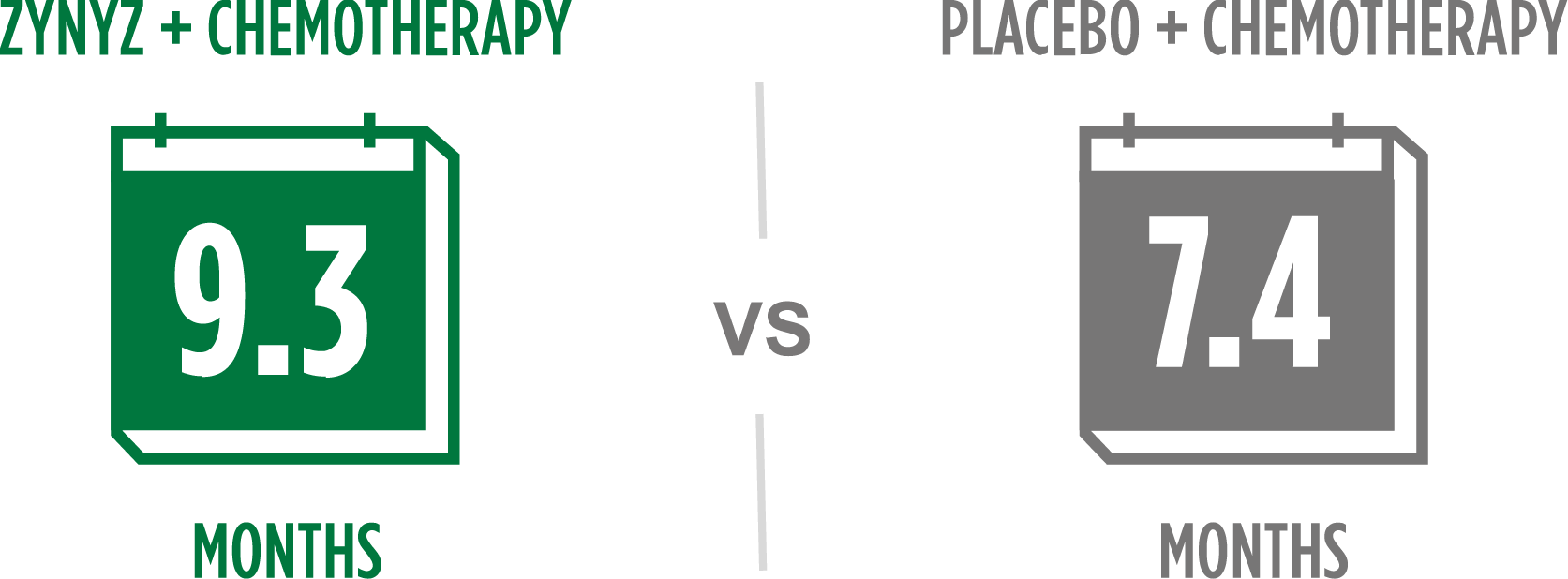
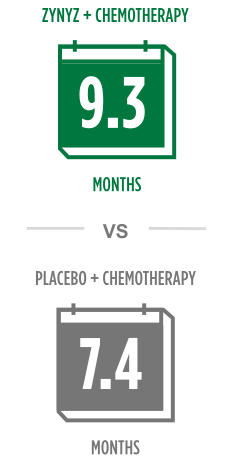
MEDIAN PROGRESSION-FREE SURVIVAL
Median progression-free survival is the length of time that half of the people in a treatment group went without their disease getting worse (disease progression) or death.
ZYNYZ + chemotherapy reduced the risk of disease progression or death by 37%, giving patients a longer period of time during which their tumor did not grow or spread compared to those who received placebo + chemotherapy.
MEDIAN OVERALL SURVIVAL
Median overall survival is the time from when people started the trial to the time at which half of the people in a treatment group were still alive.
Median overall survival in the ZYNYZ + chemotherapy group was 6 months longer compared to the placebo + chemotherapy group.
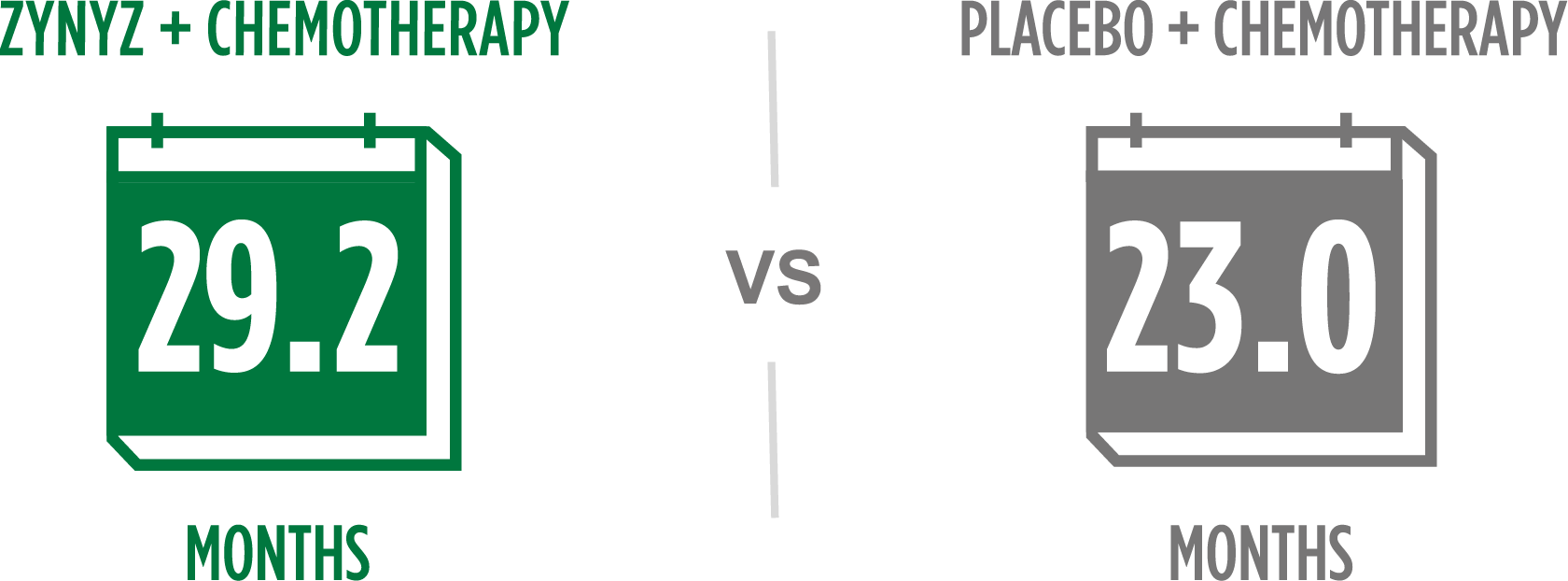
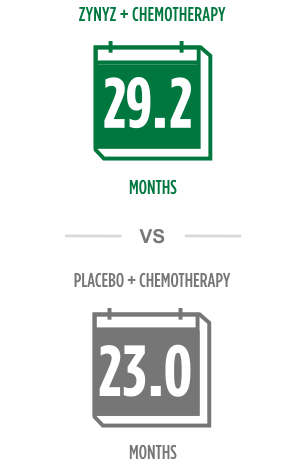
This is an interim analysis, meaning that the trial is still ongoing and these results are not conclusive.
More people responded to ZYNYZ and had responses lasting twice as long than with chemotherapy alone
OVERALL RESPONSE RATE
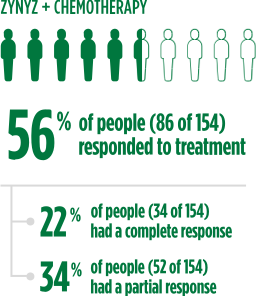
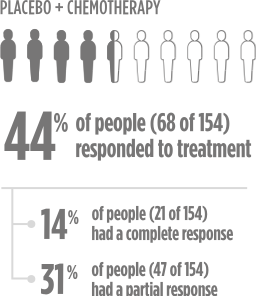
Overall response rate is the percentage of people who had their tumors disappear* (complete response) or shrink in size by a certain amount (partial response) during treatment.
ZYNYZ + chemotherapy was effective in more than half of the people in the trial.
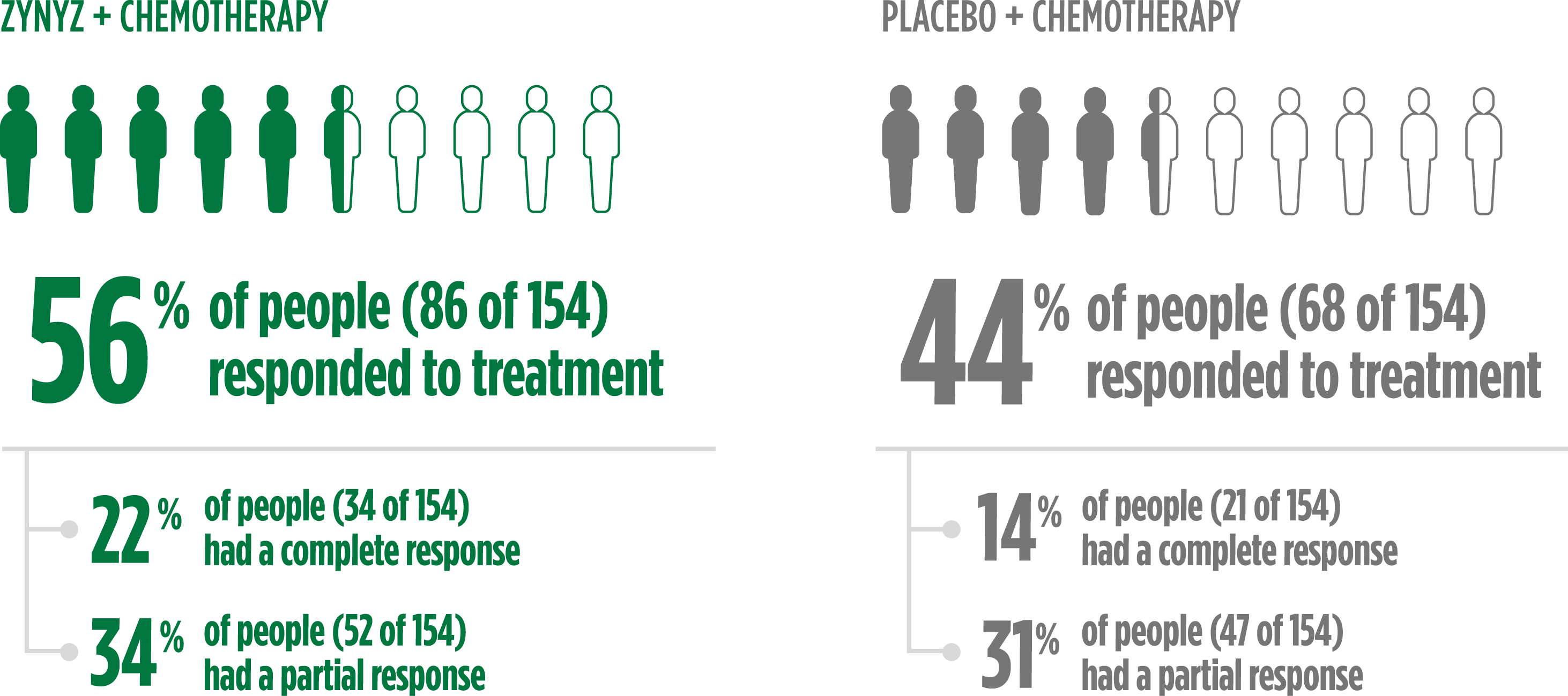
These results were based on a clinical trial, and the effects of treatment may be different for everyone.
MEDIAN DURATION OF RESPONSE
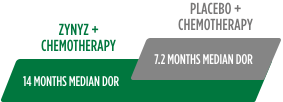
Median duration of response (DOR) is the length of time that half of the people continued to be in response. This means they were living without their cancer growing or spreading.
People who received ZYNYZ + chemotherapy had responses that lasted approximately 2 times as long as those for people who received placebo + chemotherapy: 14 months vs 7.2 months (median).

In the POD1UM-202 trial, ZYNYZ was studied in 94 people diagnosed with SCAC. These people had anal cancer that had returned or spread and received platinum-based chemotherapy and it did not work, was no longer working, or they could not tolerate it. All the people in the trial received treatment with ZYNYZ.



ZYNYZ helped some people achieve lasting results
OVERALL RESPONSE RATE
Overall response rate is the percentage of people who had their tumors disappear* (complete response) or shrink in size by a certain amount (partial response) during treatment with ZYNYZ.
ZYNYZ was effective in 14% of people in the trial.

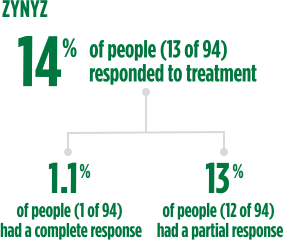
These results were based on a clinical trial, and the effects of treatment may be different for everyone.
DURATION OF RESPONSE
Duration of response is how long people’s response to treatment with ZYNYZ lasted. The median duration of response (the length of time that half of the people continued to be in response) to ZYNYZ was 9.5 months, and people’s responses ranged from:
